Interior Painting
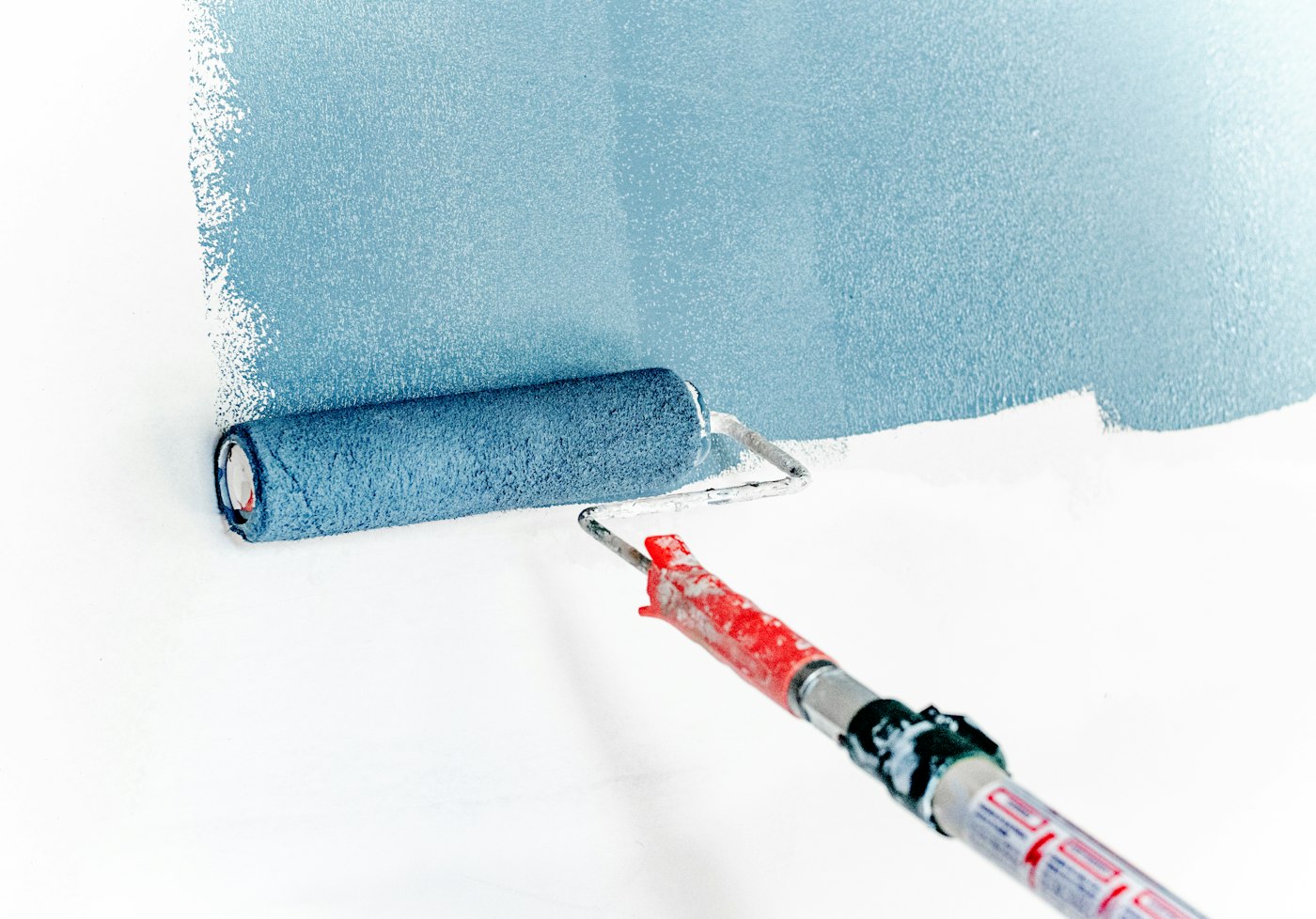
Interior painting starts with the surface, not the color card. We move or cover furniture, protect floors, wash walls, scrape loose material, fill dents, sand smooth, and prime stains. Only then does the finish coat go on. That order is why a wall still looks even after the first winter of lamps and daylight.
We specify line, color, and sheen room by room. Kitchens and baths usually want a finish that can be wiped. Ceilings stay flatter so they do not glare. Trim is often a step cleaner than the wall so edges read as intentional. If a room has patched plaster or old repairs, we call that out in the scope instead of painting over a surprise.
Most interior projects are sequenced around how you live. We can keep one room closed while another stays open, and we group the sanding days so the house is not dusty all week.
Exterior Painting
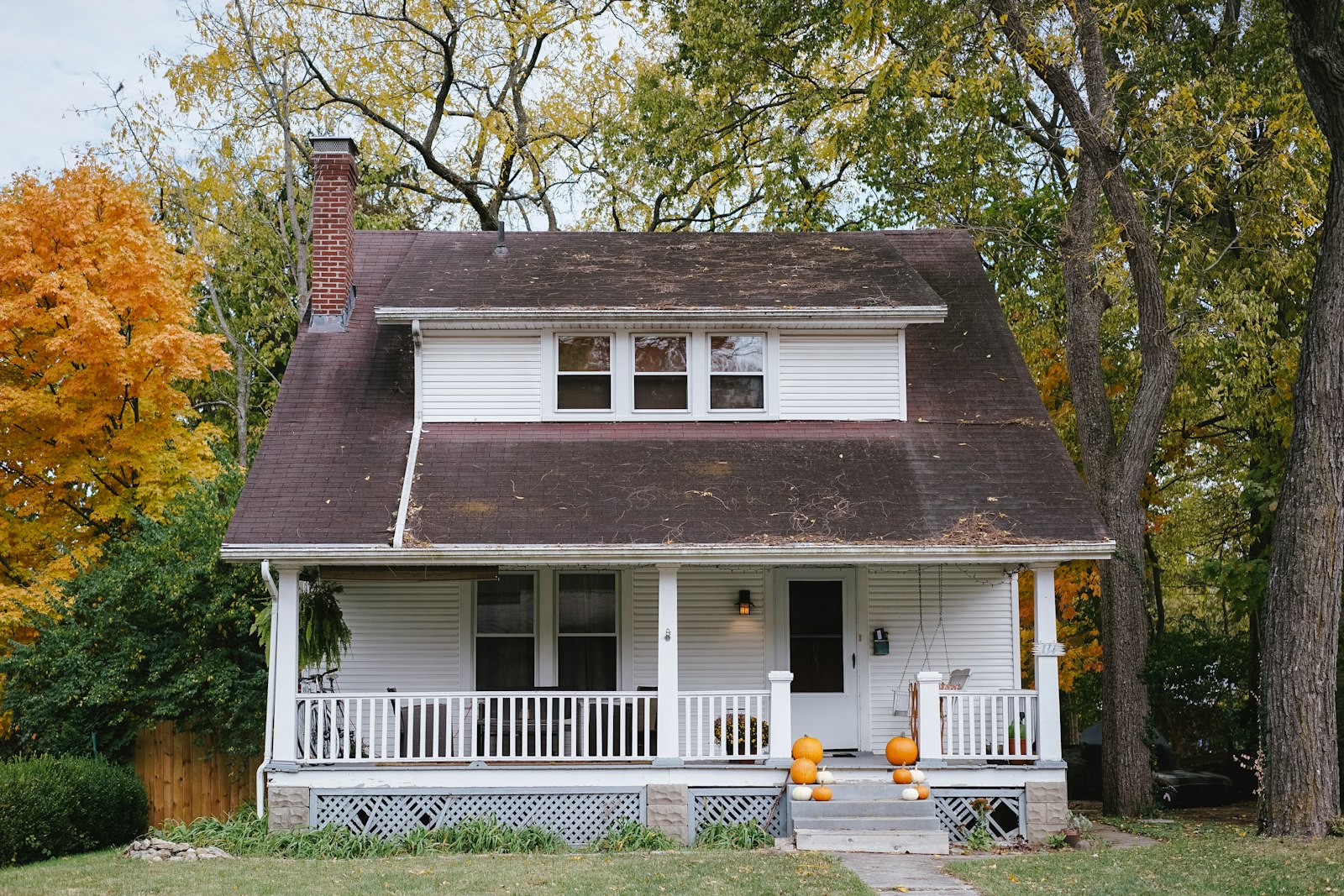
Exterior work depends on weather windows and sound substrate. We look at peeling, chalking, bare wood, failing caulk, and any moisture stains before we talk about color. Loose paint is removed, edges are feathered, and gaps that let water behind the film are sealed.
Color on an exterior is tested on a sunlit face and a shaded face, because the same chip reads differently on each. We write the body, trim, and door colors separately so the entry does not disappear into the wall.
Hardwood Floors
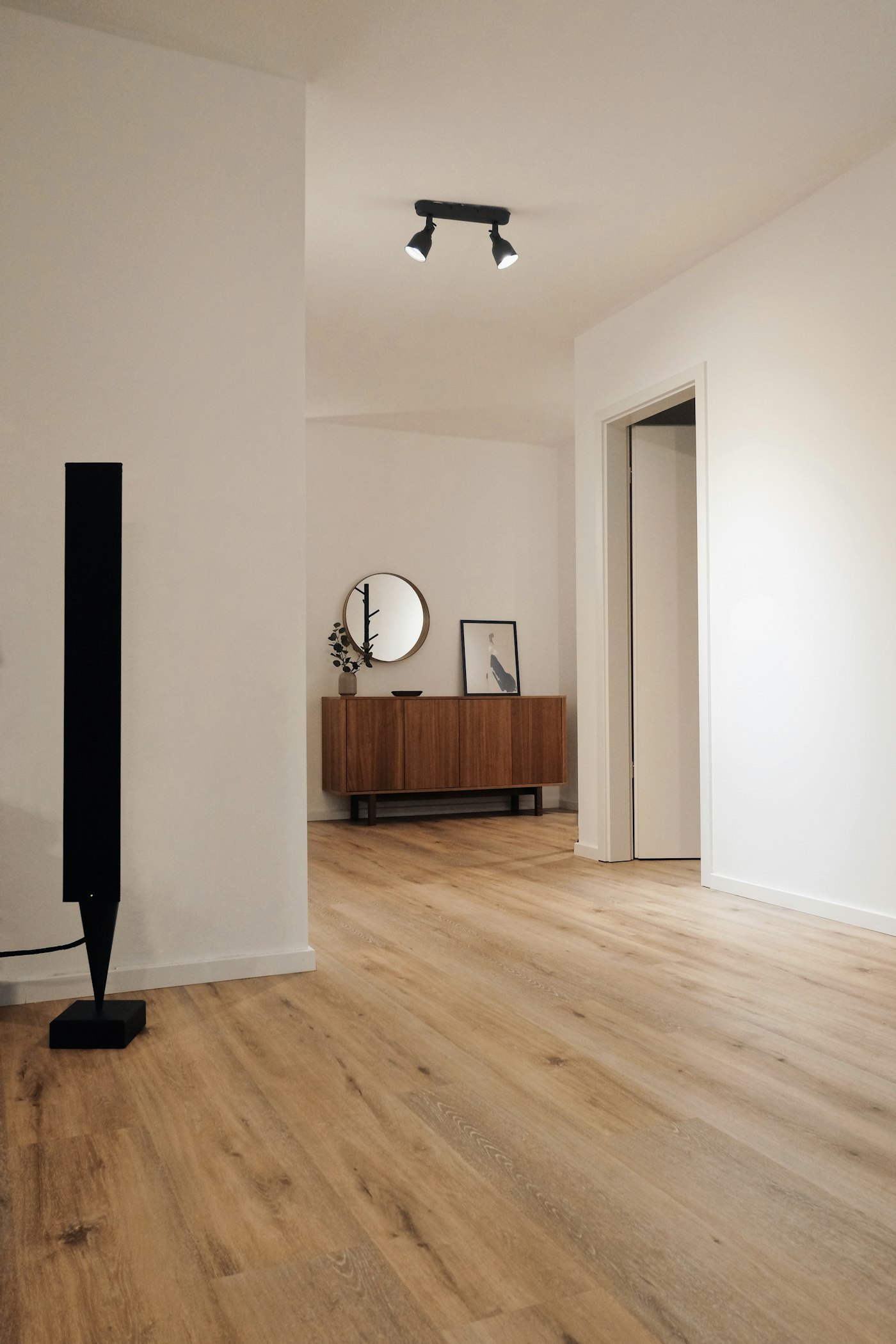
Floors are specified for the room. A hall that takes grit wants a different finish conversation than a bedroom. We check flatness, squeaks, moisture, and transitions to tile or carpet. New boards are acclimated in the space. Refinishing includes dust control, a clear plan for how many coats, and a cure time you can plan around.
Where only a section has failed, we talk honestly about blending. Some repairs disappear. Some are better replaced as a full run so the sheen matches. You see that choice before we sand.
Tile & Stone
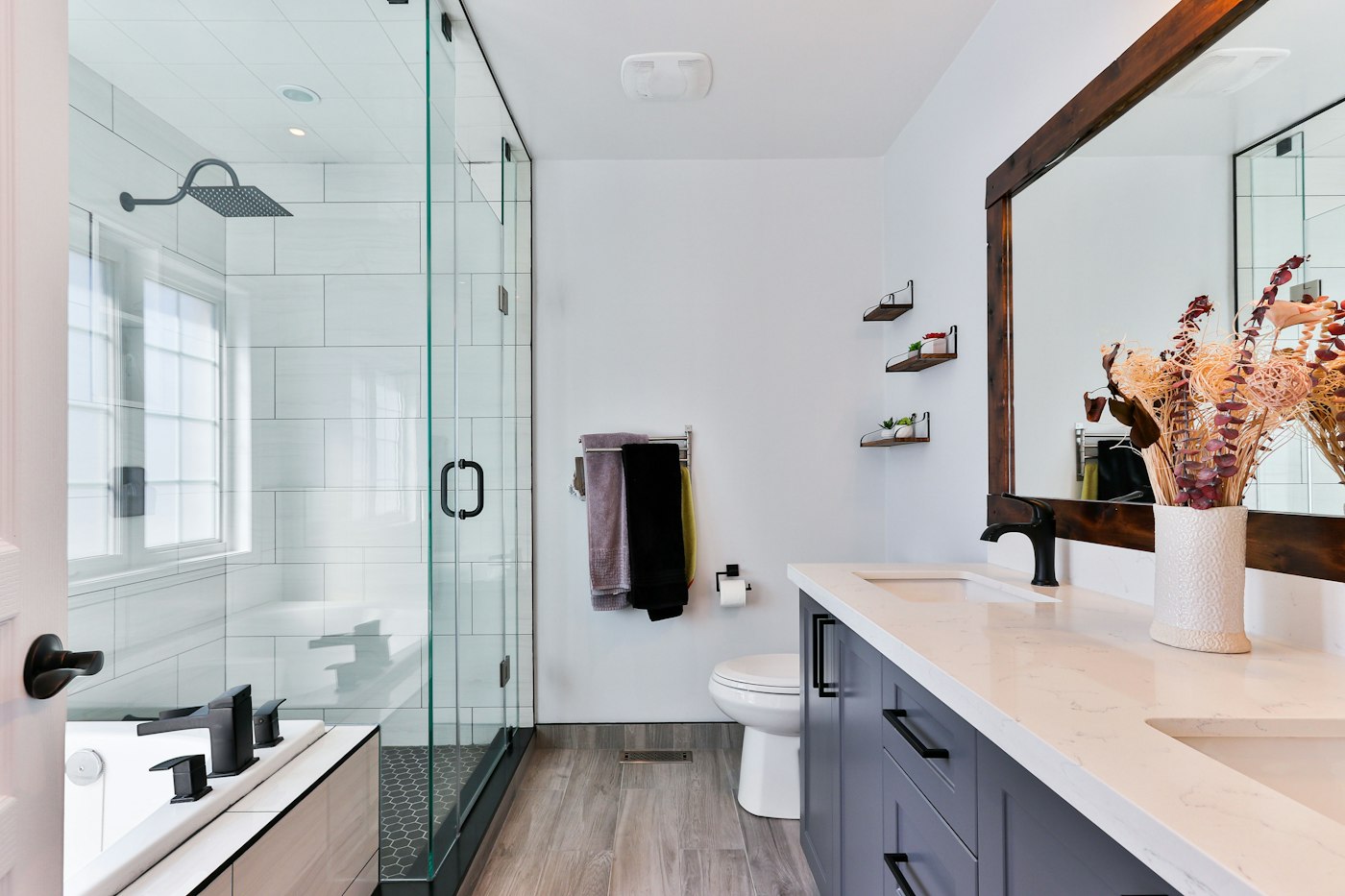
Tile fails when the base moves or the waterproofing was skipped. In baths we confirm the substrate, the slope where water travels, and the membrane before a decorative tile is chosen. Grout color is sampled next to the tile, not guessed from a photograph.
Kitchens, entries, and fireplace surrounds follow the same habit: layout lines are planned so cuts land in sensible places, and transitions to wood floors are detailed before the first tile is set.
Kitchen Refresh
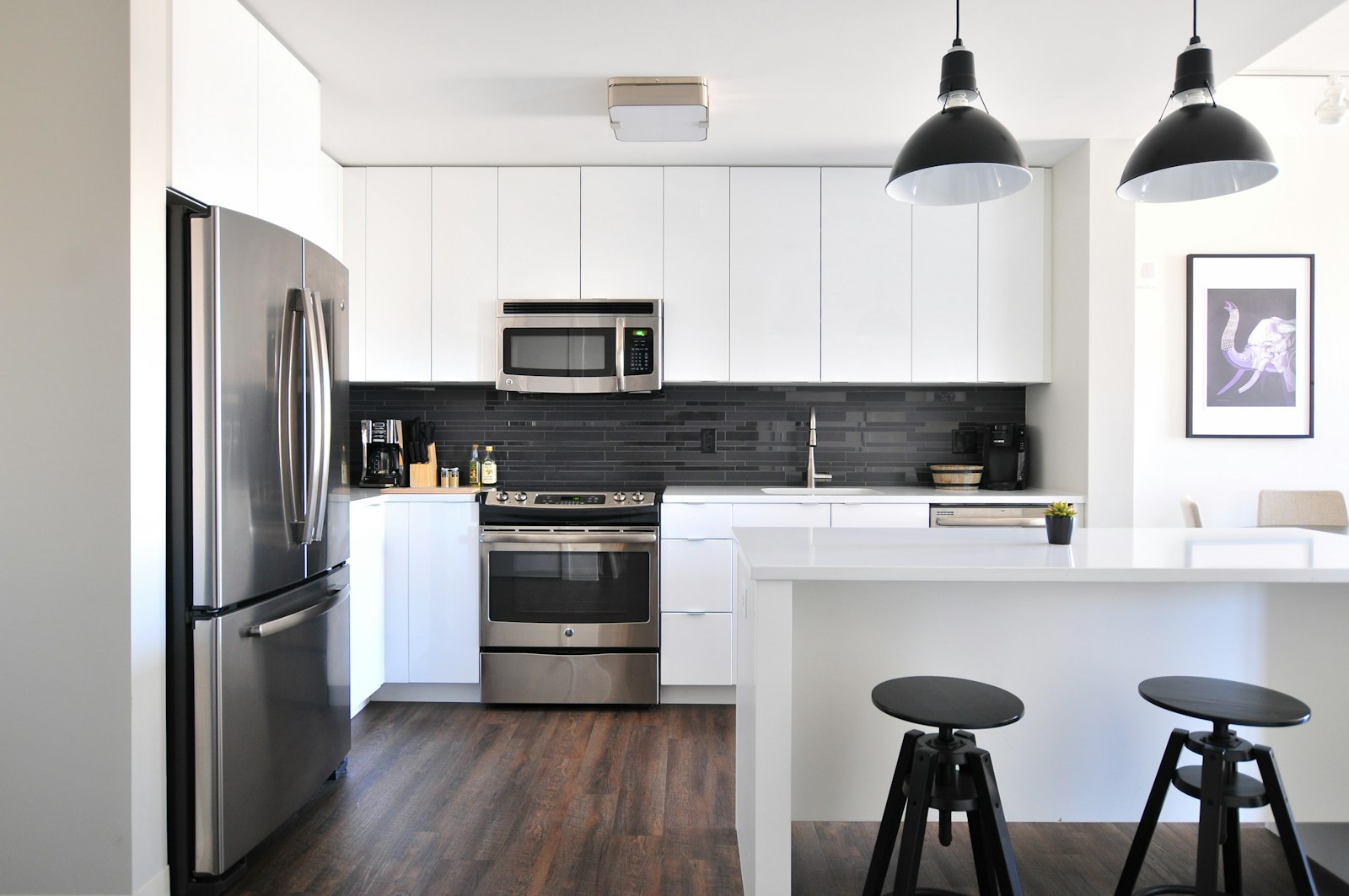
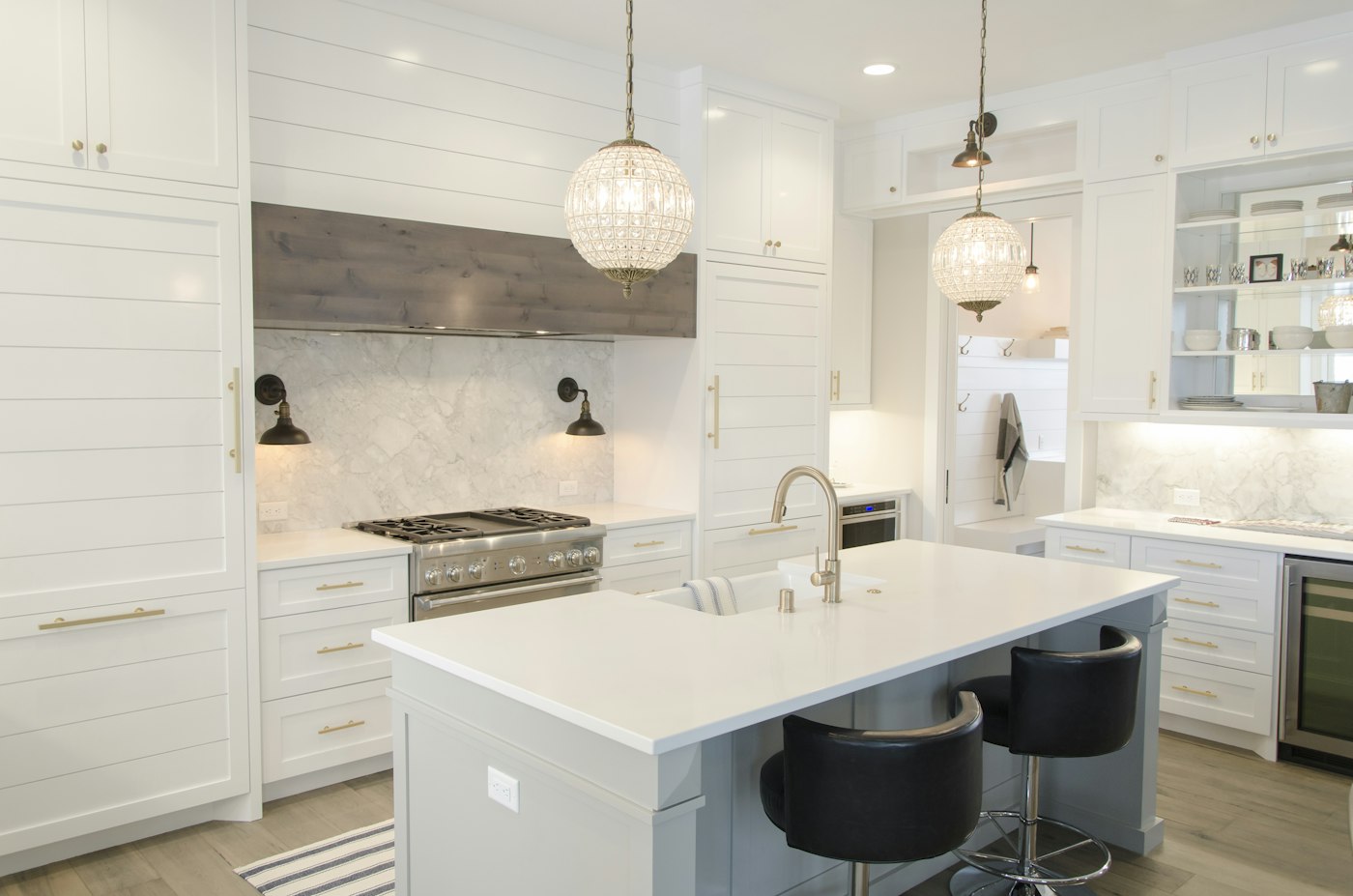
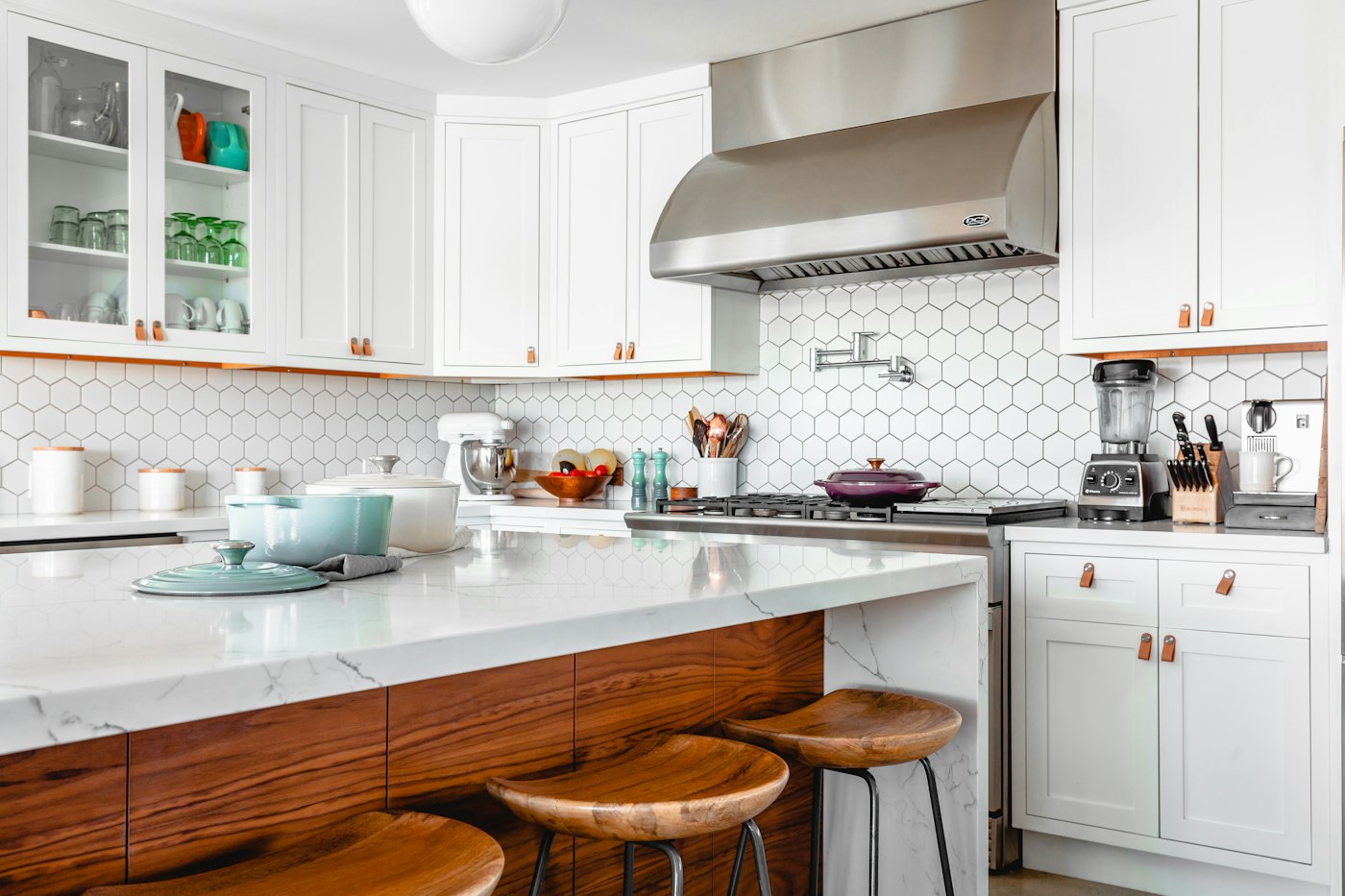
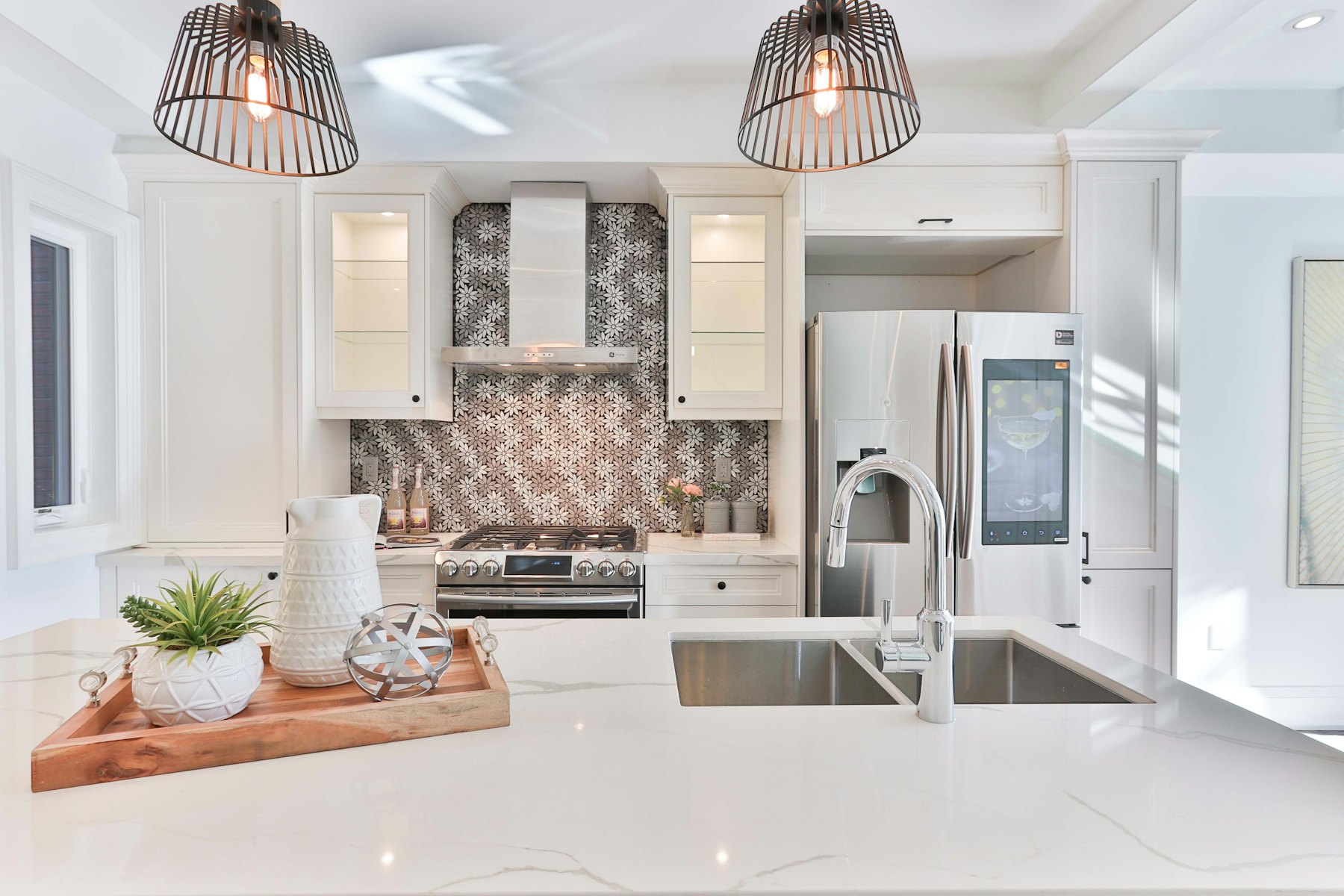
A full gut is not the only way to change a kitchen. We repaint or refinish cabinets, replace doors, update hardware, renew backsplashes, and coordinate the wall color with the floor. If the layout stays, the room can feel new without months of cooking in a hallway.
When boxes, counters, or plumbing must change, we still begin with a written sequence: protection, demolition limits, cabinet finish, then walls and floors so the final surfaces are not scarred by earlier trades.
Bathroom Refresh
Baths collect moisture, so prep and waterproofing matter more than a trend. We address tired vanities, wall color, tile, lighting placement as it affects the mirror, and floors that need a safer surface under wet feet. Ventilation and drying time are part of the schedule, not an afterthought.
Cabinets & Trim
Doors, casings, baseboards, and cabinet faces are where a room looks finished or unfinished. We repair dents, reset loose trim, and paint or clear-finish carpentry with the same care as the walls. Hardware is confirmed before holes are drilled.
Living Spaces
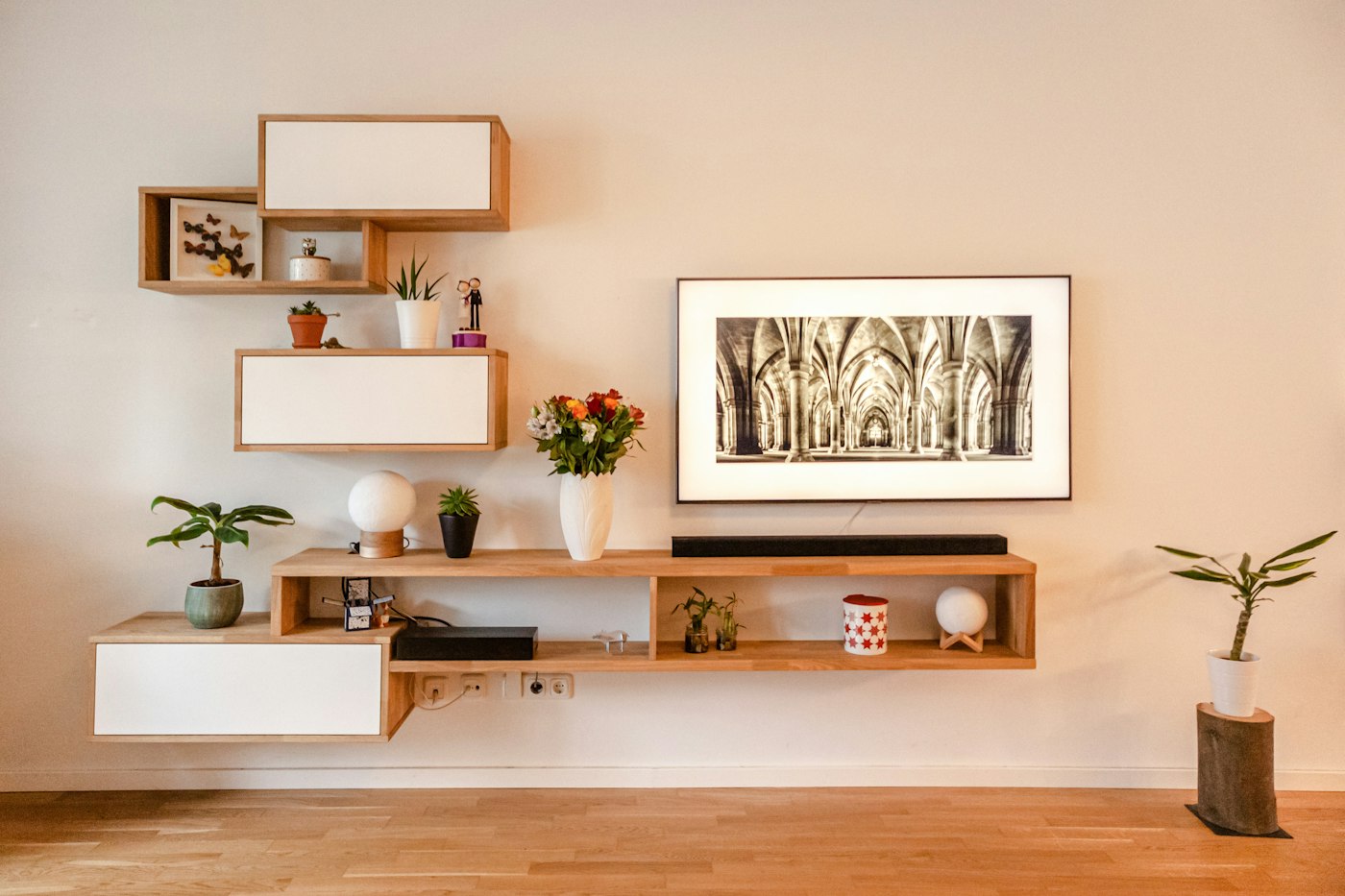
Living rooms and family rooms take the most mixed use. We balance a comfortable wall color, a floor that can be cleaned, and built-ins or media walls that do not dominate the daylight. Rugs and furniture placement are considered when we choose sheen, so traffic lanes do not shine differently from the rest of the floor.
Bedrooms
Bedrooms reward quieter palettes and lower sheen. We can refresh a primary suite with color, trim, and a lighter floor finish, or focus on a single wall and new casings if the rest of the room still works. Closet painting is scheduled with the bedroom so the same color story continues inside.
Color Planning
Color consultations are a service of their own. We study the fixed materials you are keeping — stone, brick, a wood floor, a sofa — and build a palette that includes walls, trim, ceiling, and doors. Samples are brushed out at a size you can judge from across the room.